
5 Signs Your Furnace Needs Repair Before Winter Hits in Kelowna
When temperatures drop, your furnace becomes one of the most important systems in your home. The last thing anyone wants is to wake up to a freezing house because their furnace decided to quit in the middle of a cold snap.
The challenge is that furnaces rarely fail without giving early warning signs. Most homeowners just don’t know what those signs are, and catching them early can mean the difference between a simple repair and a costly breakdown.
In this guide, our licensed HVAC team at ProGrade Solutions walks you through the top five signs your furnace needs repair, why they happen, and when you should call a professional. We work throughout Kelowna, West Kelowna, Big White, and the surrounding Okanagan communities, and every winter, we see the same problems show up again and again.
If your furnace isn't working the way it should, or if something here sounds familiar, you can always reach out for a quote or service call.
1. Your Furnace Is Blowing Cold or Weak Air
One of the most obvious (and frustrating) signs of furnace trouble is when warm air suddenly isn’t coming out like it used to. You may feel:
- Weak airflow from vents
- Air that feels lukewarm
- Air that starts warm but quickly becomes cool
- Rooms that heat unevenly
What causes weak or cold airflow?
There are a few common culprits:
Clogged filters: Kelowna’s dusty summers fill filters fast.
Failing blower motor: A motor on its last legs can’t push air properly.
Duct issues: Leaks, blockages, or disconnected ducts reduce airflow.
Burner or ignition problems: If the furnace isn't fully igniting, heat production drops.
Why it's dangerous to ignore
Poor airflow forces your furnace to work harder. This leads to higher energy bills, faster wear, and eventually a full breakdown.
When to call a pro
If replacing the filter doesn’t fix the issue, it’s almost always a deeper mechanical problem that needs a licensed HVAC technician.
2. Strange Noises Coming From the Furnace
Your furnace should be relatively quiet. A gentle hum is normal, anything beyond that is a red flag.
Common problem noises include:
- Banging or popping
- High-pitched squealing
- Grinding or scraping
- Rattling or metallic vibrations
- Booming at startup
What these noises usually mean
- Banging/popping → delayed ignition or expanding ducts
- Squealing → worn belts or bearings
- Grinding → motor failure
- Booming → dirty burners causing gas buildup
- Rattling → loose panels or cracked heat exchanger
This is one sign you should never ignore
A cracked heat exchanger is a serious safety hazard and can leak carbon monoxide. Furnaces with ignition or burner issues also pose a fire risk.
If you hear anything abnormal, especially grinding or booming, shut the system off and call a licensed technician immediately.
3. Your Furnace Turns On and Off Constantly (Short Cycling)
Short cycling happens when your furnace starts, runs for a short time, then shuts off before completing a full heating cycle. Then it quickly turns back on… and repeats the pattern.
Why does short cycling happen?
Common causes include:
- Overheated furnace
- Failing thermostat
- Restricted airflow
- Dirty flame sensor
- Improper furnace sizing
- Safety shut-offs engaging
In Kelowna’s winter temperatures, a short-cycling furnace can’t keep up, and the constant starting and stopping puts enormous strain on the system.
Risks of letting this continue
- High energy bills
- Damaged blower motor
- Cracked heat exchanger
- Furnace lifespan reduced by years
When to call a pro
If you’ve replaced your thermostat batteries and your filter is clean, short cycling is almost always a repair job.
4. Your Energy Bills Suddenly Spike
If your gas or electric bills rise unexpectedly, and the weather hasn’t changed dramatically, your furnace may be the reason.
A furnace that’s struggling has to run longer and harder to heat your home. The underlying cause is usually one of the following:
- Dirty or clogged burners
- Failing components (motors, capacitors, ignition system)
- Leaky ducts
- Aging furnace losing efficiency
- Poor combustion
Homeowners often think: “It’s just winter.”
But winter increases your bill gradually. A sudden jump almost always indicates a furnace that’s working overtime due to an internal problem.
A tune-up vs. a repair
Sometimes a proper inspection and cleaning can restore performance. Other times, worn parts need to be replaced before they fail entirely.
Either way, higher bills are a sign something isn’t right.
5. The Furnace Smells Strange (Burning, Gas, Musty, Metallic)
Your nose is often the first warning signal.
If you smell:
Burning or electrical smells
Often caused by overheating components, wiring issues, or dust buildup that isn’t burning off properly.
Rotten egg or gas smell
This is urgent, and dangerous. Natural gas contains a chemical that gives it a sulfur smell.
If you smell gas:
- Turn off the furnace
- Leave the house
- Call FortisBC or emergency services
- Call a licensed Class B gas fitter
ProGrade includes licensed gas fitters who can diagnose and repair gas-related heating issues safely.
Musty or dusty smells
Often caused by dirty components or clogged filters, but if it doesn’t go away quickly, it needs inspection.
Metallic or hot-smell odor
This often indicates overheating or failing electrical components inside the furnace.
If something smells off, shut the system down and call a professional before running it again.
Why Furnaces in Kelowna Fail More Often in Early Winter
Kelowna and West Kelowna homes see big temperature swings, dry air, summer dust buildup, and long periods of system inactivity. When the furnace turns on for the first time in November or December, all the weak points show up.
Common local issues include:
- Dust accumulation from wildfire season
- Older homes with aging ductwork
- Furnaces that sit unused for months
- Heat pumps paired with backup furnaces not maintained properly
- Oversized or undersized systems from old renovations
A quick preseason check or early repair can prevent a mid-winter emergency.
DIY vs. When You Must Call a Professional
Safe homeowner checks
These are okay to handle on your own:
- Replace the furnace filter
- Make sure vents aren’t blocked
- Check thermostat batteries
- Ensure your furnace switch is on
- Visually inspect for excessive dust or debris
What you should NOT try yourself
Anything involving:
- Gas lines or burners
- Wiring or electrical components
- Heat exchanger issues
- Ignition system repairs
- Flame sensor cleaning if you're not trained
- Blower motor repair
These require a licensed HVAC technician or gas fitter, and ProGrade has both.
How ProGrade Solutions Diagnoses and Repairs Furnace Issues
When you call ProGrade Solutions for furnace repair in Kelowna or West Kelowna, here’s what typically happens:
1. Full system inspection
We check all major components:
- Blower motor
- Capacitor
- Ignition system
- Burner assembly
- Heat exchanger
- Thermostat
- Electrical connections
- Gas pressures
- Safety switches
2. Identify the root cause
We don’t guess, we diagnose accurately so you’re not paying for unnecessary parts.
3. Clear, upfront guidance
We explain your options in simple terms and help you choose the solution that keeps your home warm and safe.
4. Professional repair
All work is done by licensed HVAC techs and gas fitters, following BC safety code.
5. Recommendations for preventing future issues
Simple adjustments, maintenance, or upgrades can often prevent breakdowns entirely.
✔ When It’s Time to Call a Professional
If you notice any of these:
- No heat or weak heat
- Strange noises
- Burning or unusual smells
- Furnace constantly turning on/off
- High bills for no reason
- Vents blowing cold air
- Furnace struggles to keep up
Your furnace needs attention, and waiting usually makes the repair more expensive.
Furnace Repair FAQs for Kelowna Homeowners
1. What are the most common signs my furnace needs repair?
Weak heat, strange noises, unusual smells, rising energy bills, and short cycling are the most common warning signs that something is wrong with your furnace.
2. Is it safe to run a furnace that’s making loud noises?
No. Banging, booming, grinding, or screeching sounds can point to motor issues, ignition problems, or a cracked heat exchanger. It’s best to shut the system off and have a licensed HVAC technician inspect it.
3. Why does my furnace turn on and off so often?
This “short cycling” can be caused by overheating, restricted airflow, thermostat issues, or dirty components. It wastes energy and can shorten your furnace’s lifespan, so it should be checked by a professional.
4. What should I do if I smell gas near my furnace?
Leave the home immediately, avoid using electrical switches, call FortisBC or emergency services, and then contact a licensed gas fitter to inspect your system.
Conclusion: Keep Your Home Warm and Safe This Winter
A reliable furnace is essential during Kelowna’s winter months, and the early warning signs are easy to spot once you know what to look for. Whether you’re dealing with poor airflow, strange noises, rising bills, unusual smells, or constant cycling, addressing the issue early will save you money and prevent emergency breakdowns.
ProGrade Solutions is proud to serve homeowners across Kelowna, West Kelowna, Peachland, and the Okanagan, offering licensed HVAC and gas fitting services backed by experience and honest workmanship.
If your furnace is showing any of these signs, or you just want peace of mind before the coldest nights arrive, we’re here to help.
When winter settles in across Kelowna and West Kelowna, even small furnace issues can turn into no-heat emergencies fast. Homes in neighbourhoods like Glenmore, Rutland, Lower Mission, and Black Mountain often see big temperature swings, which puts extra strain on older heating systems. If you’re noticing strange noises, weak heat, or higher bills in your Kelowna home, it’s smart to have a licensed HVAC technician take a look before the next cold snap hits.
Request a Quote or Book a Furnace Inspection Today
Work With a Master Tradesman
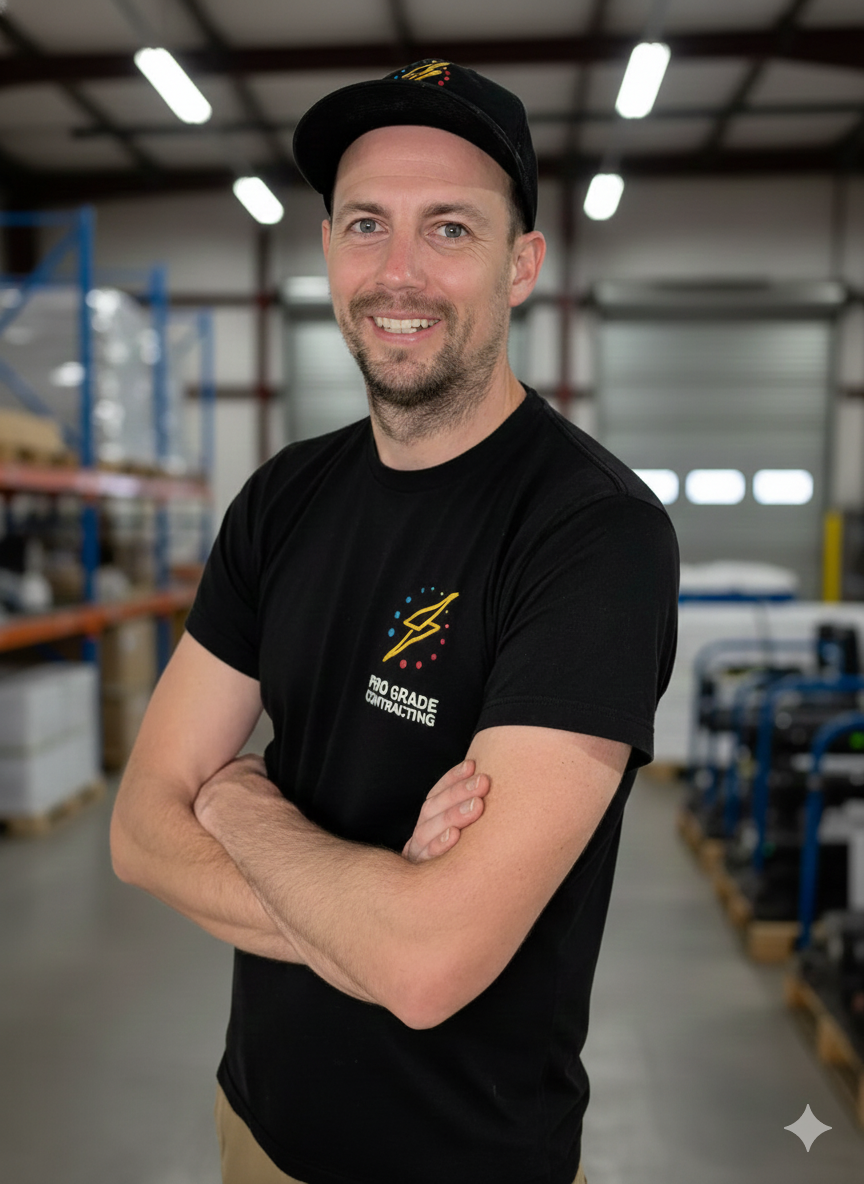
When you call ProGrade Solutions, you get Kyle Smith, not a random technician. With 15 years of hands-on experience across residential, commercial, and industrial projects, Kyle brings expertise most contractors simply don't have.
- Class A FSR Master Electrician (Red Seal)
- Red Seal Refrigeration & Air Conditioning Mechanic
- Class B Gas Fitter
Kyle keeps overhead low by skipping the fancy showroom and expensive marketing. Those savings go directly to you in fair pricing and quality workmanship. Every job is backed by a guarantee, because doing it right matters.